
Morgancoat: Turning disruption into a competitive advantage
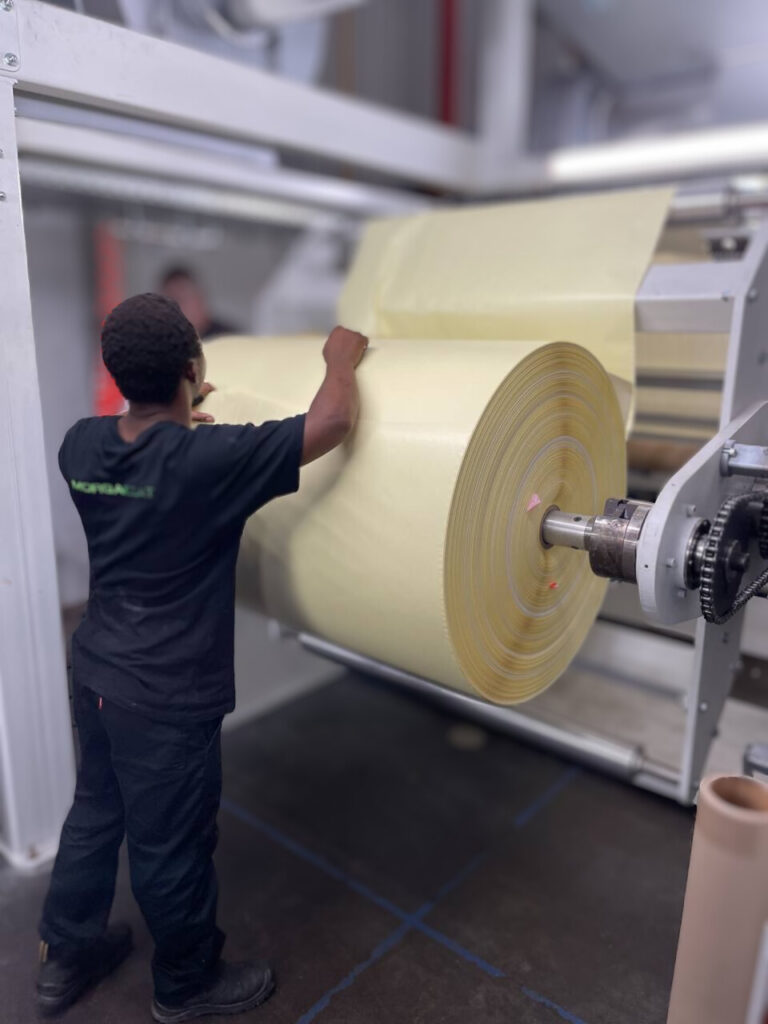
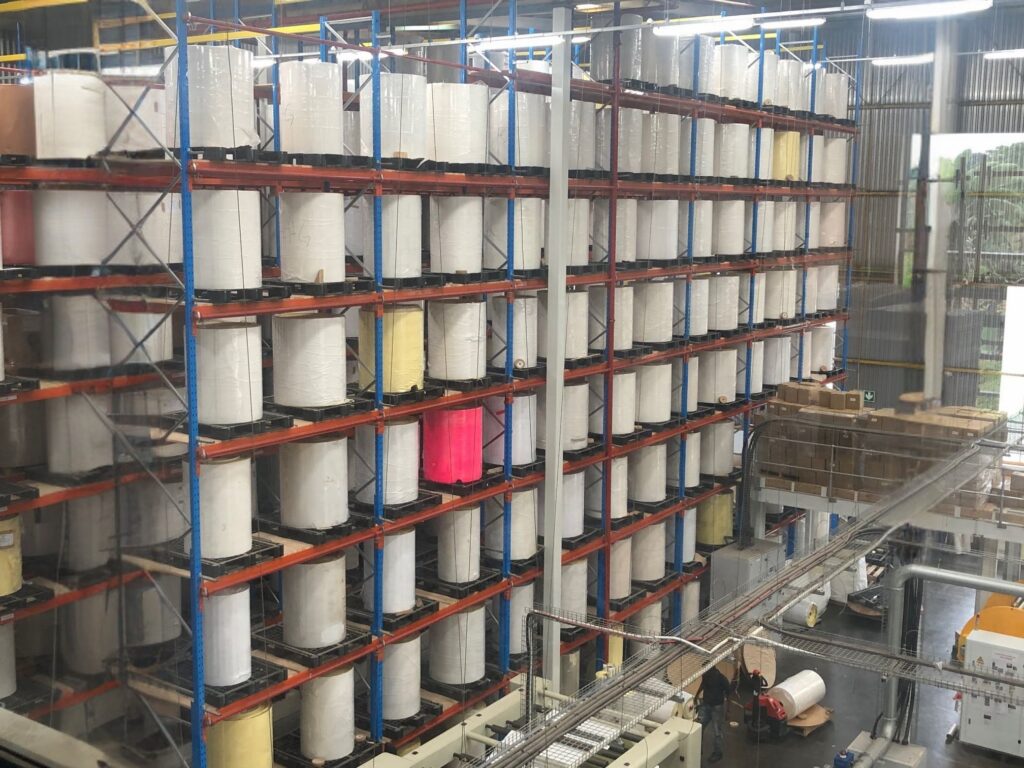
Look at almost any product on a supermarket shelf and you’ll see a label. Before the branding, barcode and product information are printed, much of that label begins as a roll of self-adhesive material.
South African manufacturer Morgancoat produces enough of that material each year to cover Robben Island approximately 11 times.
Its journey to becoming a significant local manufacturer, however, has been anything but straightforward.
From the wrong idea at the wrong time to a growing manufacturer
Morgancoat began in 2007 when Richard Morgan and his father, Mike, developed machinery to apply recyclable barrier coatings to paper as an alternative to plastic layers in packaging.
The market wasn’t ready to pay the additional cost.
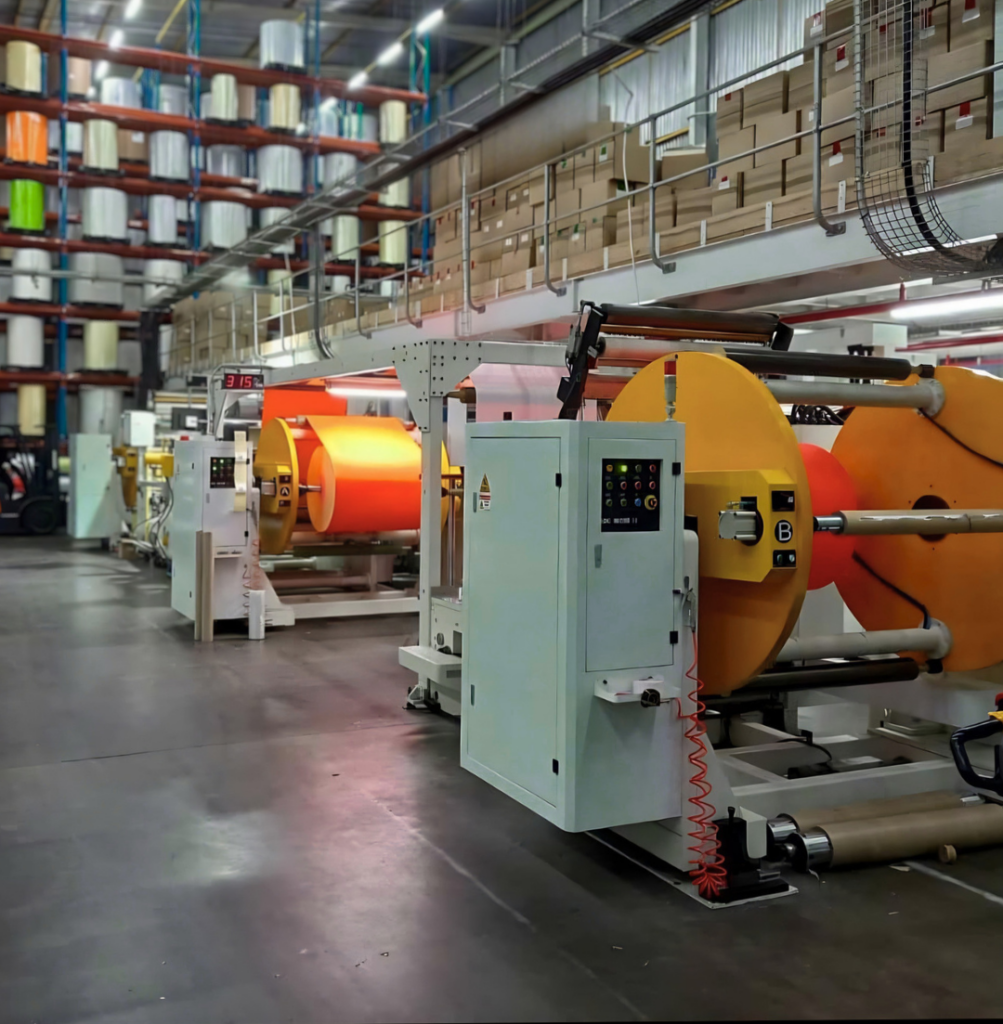
Rather than abandon what they had built, they adapted the machinery to manufacture self-adhesive label material.
Marc Black joined Morgancoat in 2012 as its Durban sales representative. Over time, he moved into leadership and became Richard’s equal business partner.
Then tragedy struck. Richard died in a helicopter accident in 2021, aged just 38, leaving Marc to lead a business that had not yet fully turned the corner.
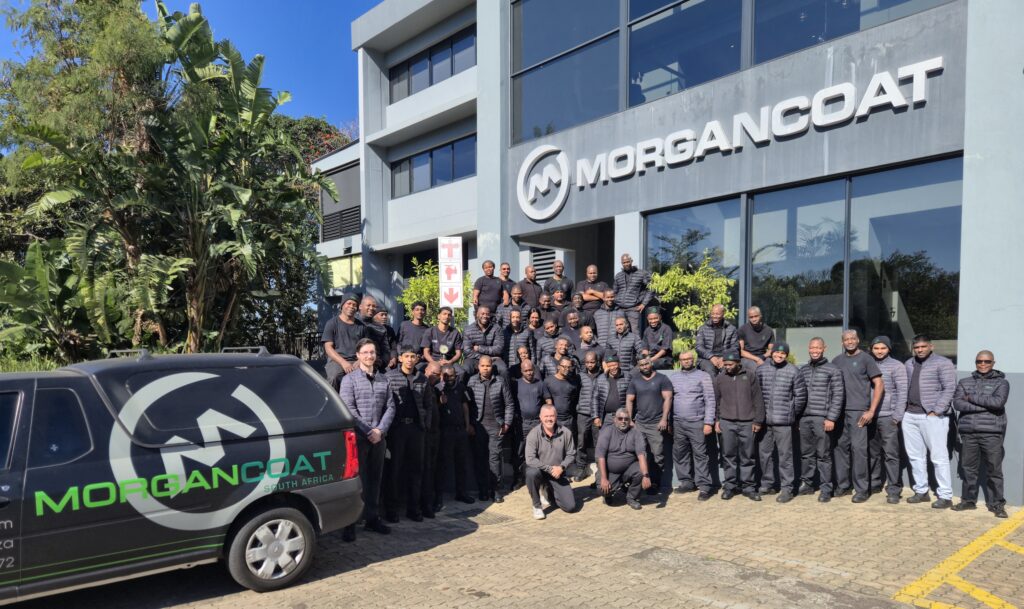
Today, Morgancoat competes with significantly larger international manufacturers. But it doesn’t try to beat them at their own game.
Instead, it has built its competitive advantage around being local.



Turning local manufacturing into an advantage
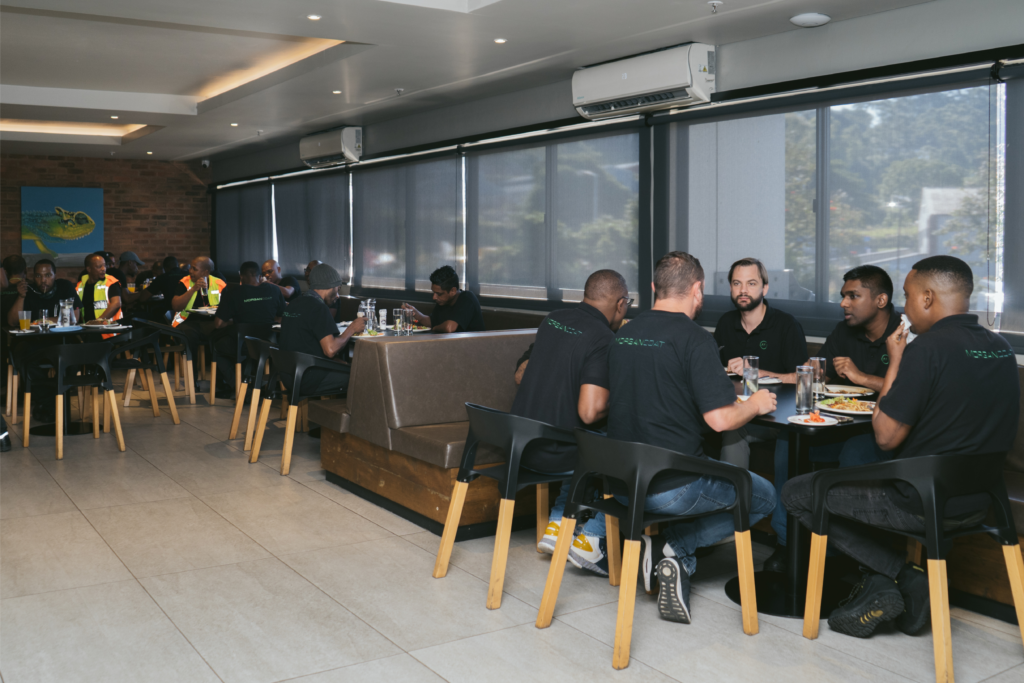
Morgancoat competes through speed, stock availability, flexibility and an ability to respond to South African customer needs.
Covid put that model to the test.
As global shipping became increasingly unpredictable, visibility across containers and stock deteriorated. Rather than simply accepting the disruption, Morgancoat developed its own systems to track stock, manufacturing, delays and emerging problems.
The company’s MC Express model applies the same thinking to distribution, keeping commonly used materials closer to customers and reducing what could previously have been a two-day wait to delivery within hours.
The principle behind both innovations is simple: solve the new problem.
What problem does your customer have today?
Established businesses can become very good at solving a particular customer problem. The danger is continuing to solve that same problem long after the customer’s world has changed.
Costs shift. Supply chains change. Technology changes expectations. New risks emerge.
Growth comes from noticing where the customer’s frustration has moved and developing a repeatable solution around it.
Do that well and the business becomes less dependent on competing on product and price alone – and considerably harder to replace.
Morgancoat’s next chapter is about taking that advantage further: strengthening its management team, extending its fast-stock model into Gauteng and selected African markets, and working with major South African brands to create greater demand for locally manufactured label material.
It’s another example of why established businesses matter to South Africa’s future prosperity: they manufacture, employ, adapt, invest and keep building.
Future50 celebrates the established South African businesses doing exactly that.
Listen to the Morgancoat Future50 feature on the Jacaranda FM, Smile 90.4 FM and East Coast Radio websites.
And if you know an established South African business doing great things, nominate it for the Future50 through the station websites.


