Tag: Scale and Grow

Insect Science: How Customer Complaints Can Drive Innovation and Business Growth.

What if your most unhappy customer held the key to your next business breakthrough?

For Gerhard Booysen, founder of Insect Science in Tzaneen, Limpopo, listening to customers has been central to building a South African agricultural innovation business with international ambitions.

Featured on South Africa’s Future 50, hosted by Pavlo Phitidis, Insect Science has developed an ingenious approach to crop protection: using the chemical signals insects rely on to find mates to monitor and control destructive pests.

Continue reading

How Kushesh Express Grew by Understanding Its Customer’s Customer

What if your next big business growth opportunity isn’t with your customer, but with the people your customer serves?

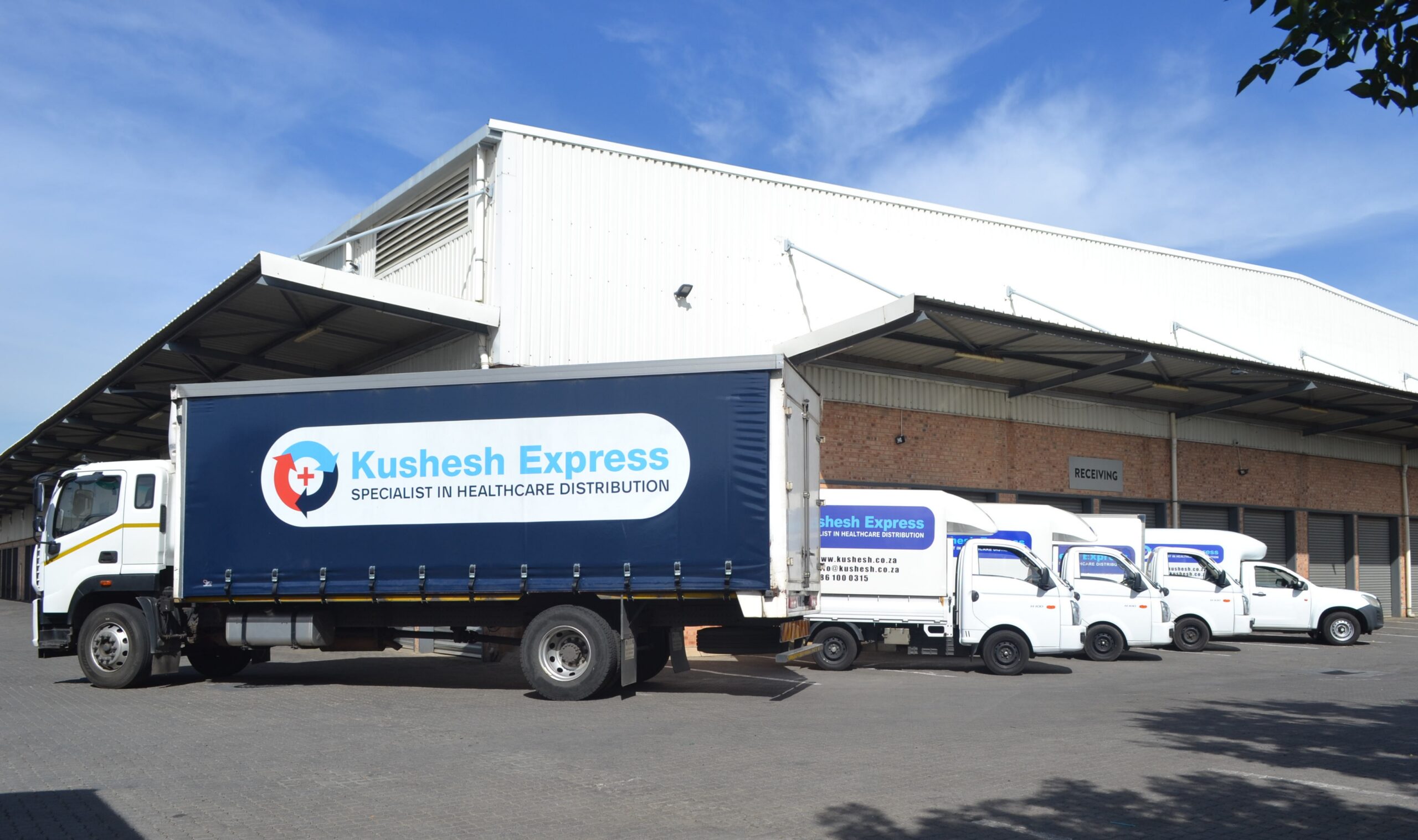
For Ashley and Tania Mulligan, founders of Kushesh Express, this insight helped transform a small courier operation with two bakkies into a national medical logistics business employing more than 150 people.

Their journey, featured on South Africa’s Future 50 with business growth specialist Pavlo Phitidis, demonstrates a powerful principle: The more value you create throughout your customer’s value chain, the stronger and more sustainable your business becomes.

Continue reading

Elite Business: Your best people should make your business valuable, not vulnerable

In this article, originally featured in Elite Business: Exceptional people build great businesses. Turning their expertise into lasting capability builds real value


Every established business has a handful of people who make an extraordinary difference. They know the customers, understand the market, solve problems instinctively and make decisions that keep the business moving forward.

Their knowledge and judgement become a competitive advantage. They help you grow, improve margins and build stronger customer relationships.

But what would happen if your three most valuable people left tomorrow?

If the business would struggle to function, you have a problem worth solving. Because the very people who make your business valuable may also be making it fragile.

The difference between talent and capability

I see this regularly when working with established business owners. They have built strong teams, invested in talented people and given them the freedom to become exceptional.

The challenge comes when critical knowledge, customer intelligence and commercial judgement remain locked inside individuals.

Think about your best salesperson. They understand the customer, know when to push and when to hold back, and spot opportunities others miss. Or your operations manager, who instinctively solves problems before they become expensive.

Their value lies not simply in what they do, but in how they think.

And if that thinking cannot be transferred, the business becomes dependent on them.

From an investor’s perspective, this matters enormously. A business that relies on a few exceptional individuals carries greater risk than one where expertise is embedded into the organisation.

That risk affects its ability to scale, its resilience and ultimately its value.

Turn individual brilliance into business strength

The solution is not to replace exceptional people with rigid systems. That would destroy much of what makes them valuable.

Instead, use their expertise to build capability across the business.

There are three practical ways to do this.

First, capture how your best people make decisions. Do not just document their tasks. Understand their judgement. What information do they use? What patterns do they recognise? How do they assess opportunities and risks? Turn that thinking into knowledge others can apply.

Second, build depth around critical roles. Every important capability should exist in more than one person. Develop a second capable individual who can step in and take greater responsibility. This creates continuity and gives your best people room to grow.

Third, use technology to strengthen human judgement. Customer data, research and AI can help capture knowledge, identify patterns and support better decisions. The objective is to make expertise more widely available, not replace it.

Build value that outlasts individuals

When you build a business, you are building something that should eventually become bigger than you and the people who helped create it.

That is what an Asset of Value represents. A business with the structures, systems and people to grow, scale and continue delivering value independently of any single individual.

Your best people should be central to building that asset. Their expertise should develop others and create capabilities that endure.

So here is a practical challenge: Identify one person whose absence for three months would seriously disrupt your business. Ask what they know, decide or do that nobody else can reliably replicate.

Then start transferring one piece of that capability into the business.

Because the true measure of exceptional people is not how indispensable they become. It is how much stronger they make the business around them.

Key takeaways

  • If your three most valuable people left tomorrow and the business would struggle to function, you have a key person dependency problem – the very people who make you exceptional are also making you vulnerable.
  • There is a critical difference between talent and capability. Talent sits with individuals; capability sits in the business. A business that relies on a few exceptional individuals carries a concentration risk that affects its ability to scale and its value to investors.
  • Capture how your best people make decisions – not just what they do, but how they think. The judgement behind the action is what creates value, and it can be transferred if it is documented deliberately.
  • Build depth around critical roles. Every important capability should exist in more than one person. Develop a second capable individual who can step in and take greater responsibility, creating continuity and giving your best people room to grow.
  • The true measure of exceptional people is not how indispensable they become – it is how much stronger they make the business around them. Building a business that can grow and scale without being dependent on any single individual is what creates lasting value.

By Pavlo Phitidis

https://vulaservices.com/

Vula Environmental Services: Turning Environmental Expertise Into a Scalable Business

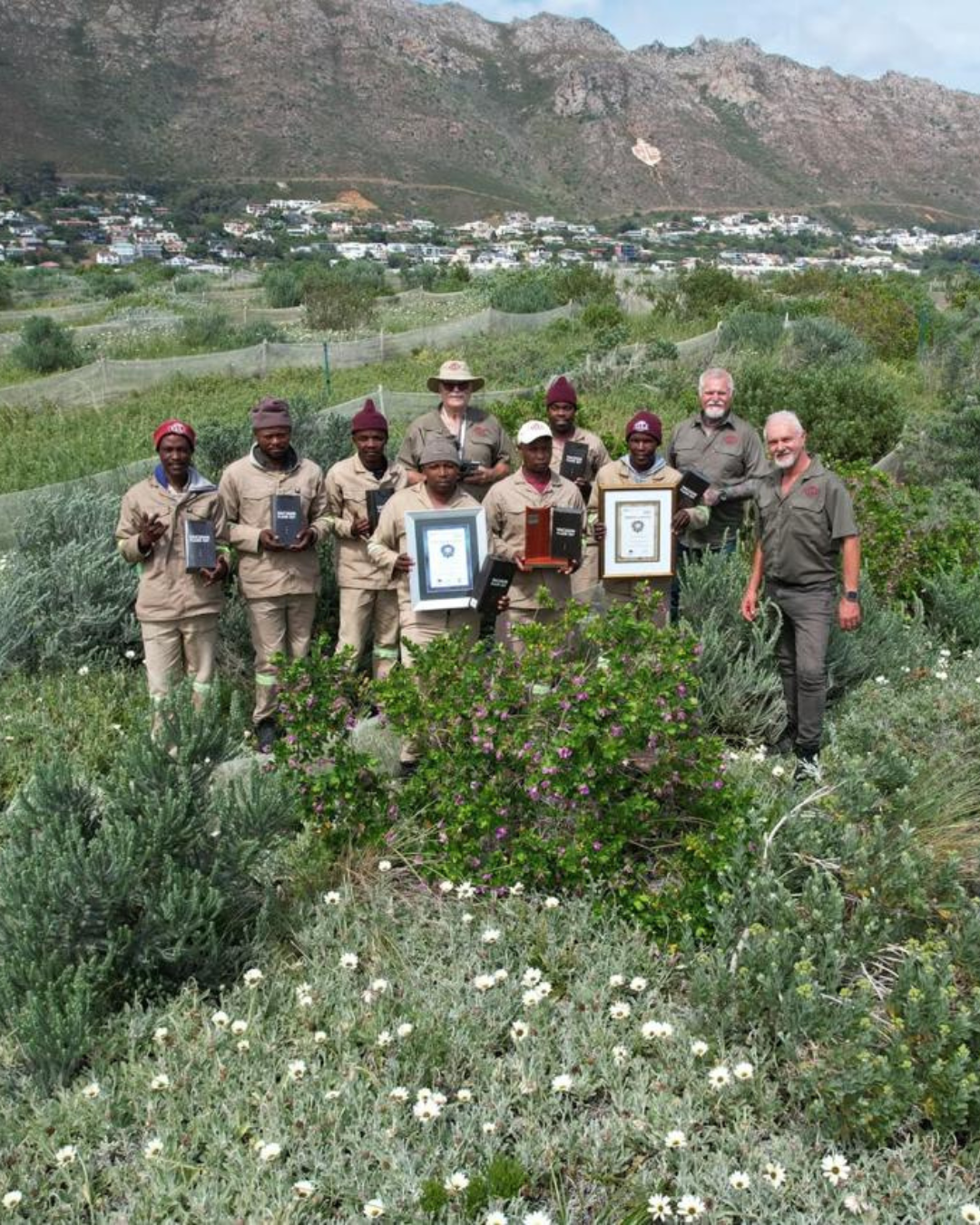
What does it take to restore a landscape damaged by mining? For Deon van Eeden, founder of @Vula Environmental Services, the answer has been 27 years of curiosity, experimentation and determination.

Today, Vula employs around 170 people, bringing together scientists, designers and field teams to restore damaged environments and rebuild living ecosystems.

Continue reading

Fly Ash Africa: Turning Industrial Waste into Business Growth | SA Future50

Fly Ash Africa: Finding New Growth in an Overlooked Resource

What others see as industrial waste, Fly Ash Africa sees as an opportunity to build a valuable South African business.

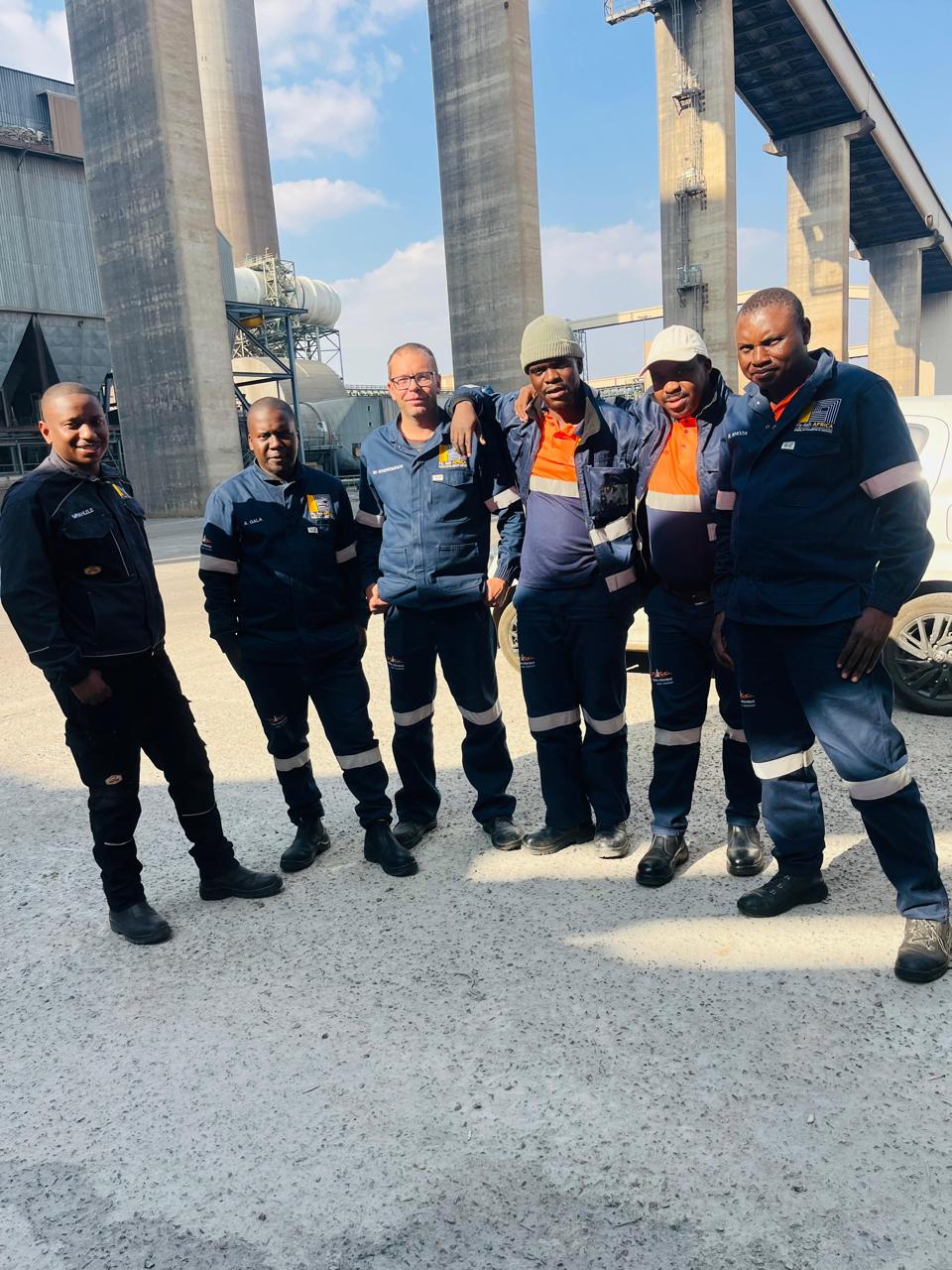
Founded by Themba Nyembezi and Dirk Odendaal, Fly Ash Africa supplies fly ash from coal-fired power stations to cement manufacturers and mining operations. Its story demonstrates how resilience, engineering innovation and a willingness to rethink a product’s potential can create new avenues for business growth.

Continue reading

Succession doesn't begin when you're ready to step away from your business.

Elite Business: Succession starts long before you hand over the keys

In this article, originally featured in Elite Business: Businesses become valuable when responsibility moves beyond the founder. Succession begins with delegation, not ownership


Most business owners think succession is something they will deal with one day.

One day, they will hand the business to their children. One day, they will sell to management. One day, they will find a buyer and move on.

The problem is that by the time those conversations begin, succession should already have been happening for years.

A buyer does not purchase your intentions. They purchase your capability. If your business still depends on you to make the important decisions, solve the difficult problems and maintain the standards, they are not buying a business. They are buying another job.

That is why succession does not begin with ownership. It begins with delegation.

Delegation is where succession begins

Many owners see delegation as a way to lighten their workload. It is much more important than that.

Delegation is how a business transfers capability from one person to many. It is how responsibility moves from the founder into the organisation. Every responsibility that is successfully delegated strengthens the business. Every responsibility that continues to return to the owner exposes another point of dependency.

Those dependencies matter because they limit growth today and destroy value tomorrow. A business cannot become sustainable if its success depends on one individual.

The four stages of succession

Succession is not a single event. It is the gradual transfer of four distinct capabilities:

The first is operational succession. This is where the business learns how to produce consistent results without relying on the founder’s memory, judgement or daily involvement. Processes become documented, standards become clear and customers receive the same experience regardless of who is delivering the work.

The second is managerial succession. Managers must be able to lead people, measure performance and make informed decisions without waiting for the owner to intervene. They need the confidence, authority and information to improve performance themselves.

The third is leadership succession. Someone must carry the vision beyond the founder. Leadership is about maintaining direction, making strategic decisions and ensuring the business continues building long-term value. It is also about defining the three to five year milestones that steadily move the business towards its ultimate destination.

Only then does ownership succession become possible.

Whether ownership passes to family members, a management team or an external buyer, the business must already be capable of operating independently. Ownership should be the final transfer, not the first.

Why businesses become difficult to sell

Many founders spend decades building successful businesses, only to discover that the business is still inseparable from them.

Customers trust the founder… The team depends on the founder… The biggest decisions wait for the founder… The most valuable relationships belong to the founder.

That may feel like control, but from a buyer’s perspective it represents risk.

Every dependency reduces value because it increases uncertainty. The more the business relies on one individual, the harder it becomes to believe that its performance can continue after that person leaves.

This is why so many founders struggle to achieve the value they believe they have created.

Build a business people want to inherit

The strongest businesses outlive the people who started them.

They continue serving customers. They create opportunities for employees. They support suppliers, strengthen communities and reward the people who invested years of their lives building them.

None of that happens by accident. It happens because responsibility has been deliberately transferred over many years.

If you are serious about building a business that creates lasting value, stop asking who will own it one day. Instead, ask who already has the capability to run it today.

If the answer is still you, succession has not yet begun.

And if succession has not begun, neither has the process of building a business that someone else will genuinely want to own.

By Pavlo Phitidis

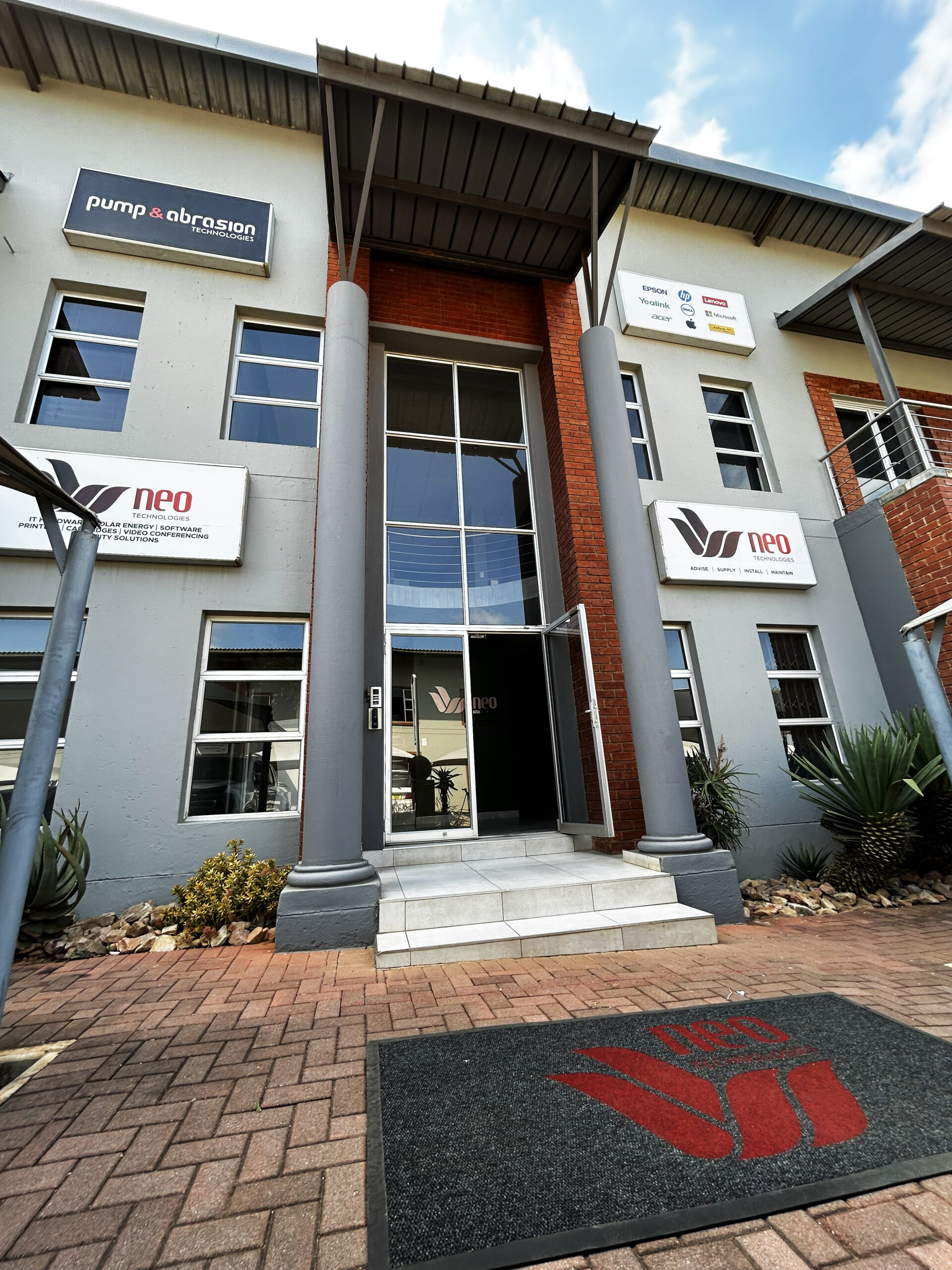
Neo Technologies: Building a Business That Grows Beyond Price Competition

In an industry where products can become obsolete almost overnight, building a sustainable technology business requires more than technical knowledge. It demands adaptability, strong customer relationships and the ability to continuously find new ways to deliver value.

For Samantha Opperman and Coenie De Beer, owners of Neo Technologies, these capabilities have helped sustain and grow a business through 24 years of technological and commercial change.

Continue reading

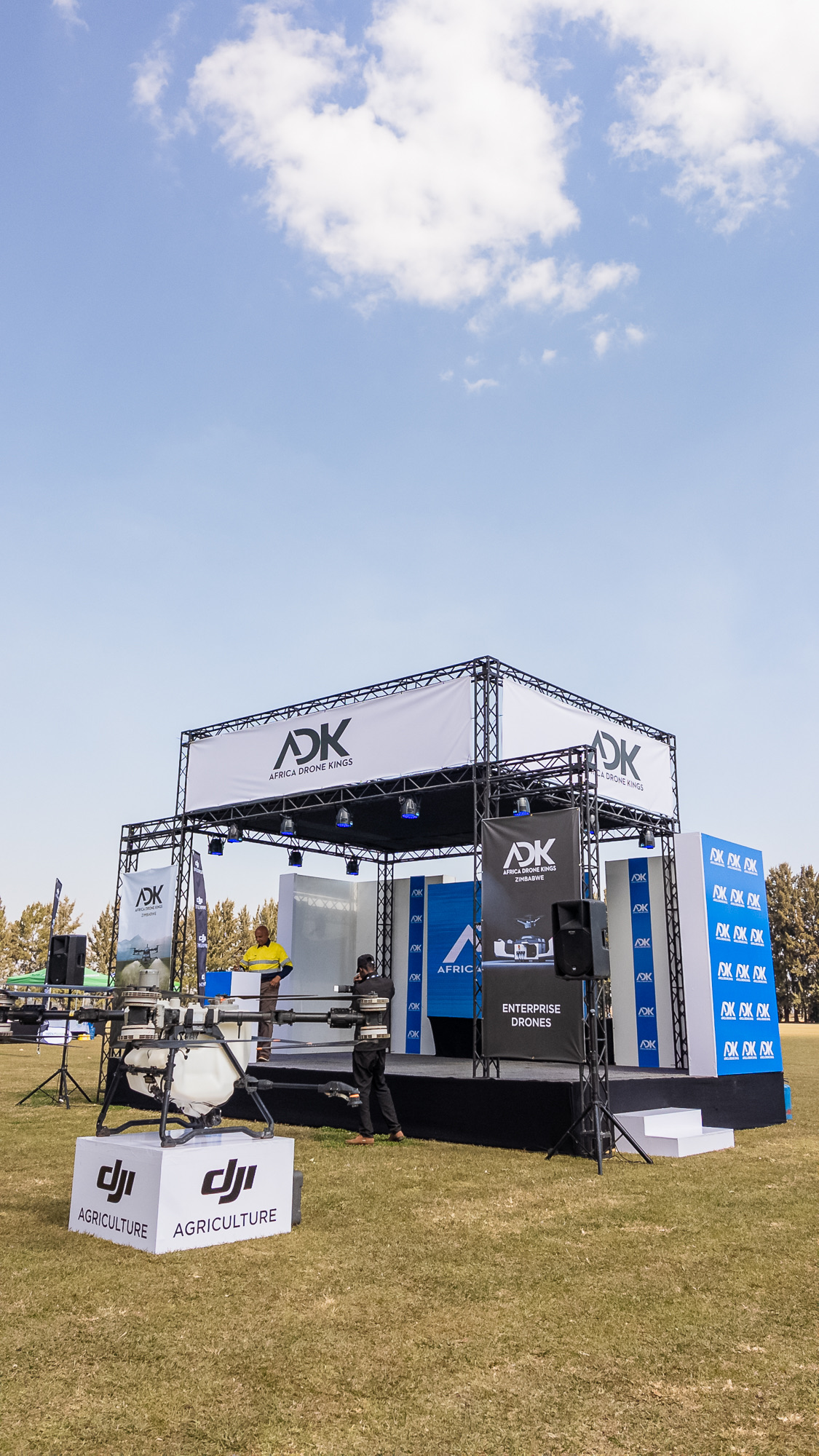
Africa Drone Kings: Building the Systems to Scale South African Drone Technology

For Africa Drone Kings, a drone isn’t simply a piece of technology to sell. Its real value begins when a customer can put it to productive use.

Founded by Vice Phiri and Andrew Mokoto, Africa Drone Kings works with farmers, mines, security companies and other businesses looking to use drone technology practically. The business sells and hires drones, trains operators, assists with finance and insurance, and provides servicing, repairs and technical support..

Continue reading

Morgancoat: Turning disruption into a competitive advantage

Look at almost any product on a supermarket shelf and you’ll see a label. Before the branding, barcode and product information are printed, much of that label begins as a roll of self-adhesive material.

South African manufacturer Morgancoat produces enough of that material each year to cover Robben Island approximately 11 times.

Its journey to becoming a significant local manufacturer, however, has been anything but straightforward.

Continue reading