
How to reduce founder dependence and scale your business
If every difficult decision still comes back to you, your business may have grown in size without becoming less dependent on you. Turning founder judgement into systems is critical to building a business that can scale.
Many successful businesses are built on the founder’s ability to make good decisions.
Many successful businesses are built on the founder’s ability to make good decisions.
You know which opportunities to pursue, which risks to avoid, how to deal with a difficult customer and what to do when something doesn’t go according to plan.
Initially, this judgement is an advantage but as the business grows, it can become a constraint.
If your team can handle routine work but looks to you whenever something unusual happens, the business remains dependent on your time, experience and judgement.
To reduce founder dependence, you need to turn what you instinctively know into organisational capability.
When experience becomes a competitive advantage
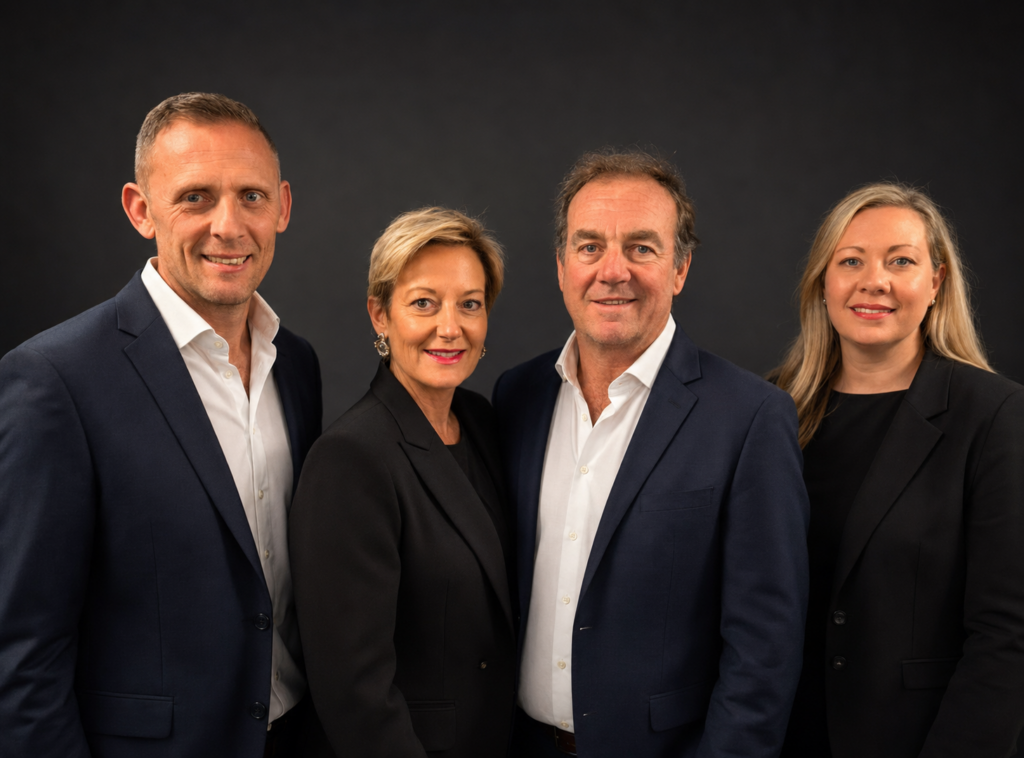
Nucleus Mining Logistics, recently featured in the Future 50, demonstrates the value of accumulated business knowledge.
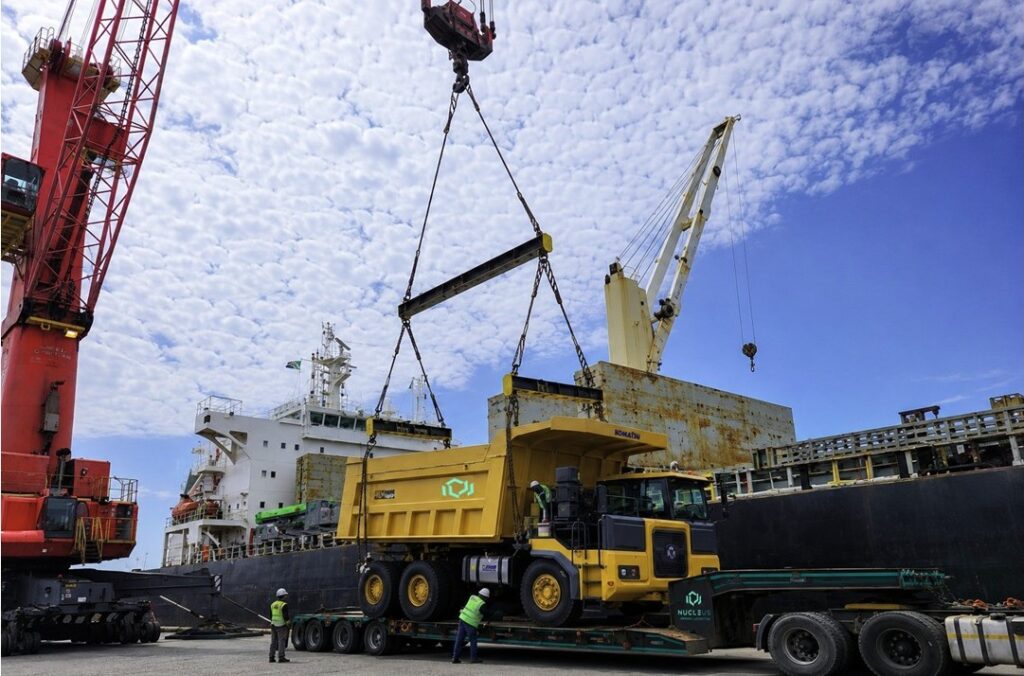
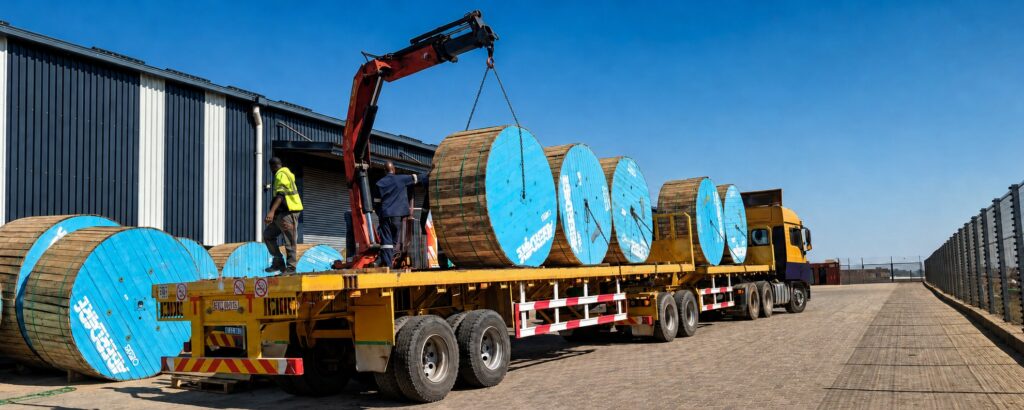
Led by Claire and Iain Clark, Nucleus manages the movement of mining equipment and materials from global suppliers through ports, customs, borders and warehouses to remote African mine sites.
It operates in environments where getting a decision wrong can have significant consequences.
A delayed piece of equipment can slow or stop a mining operation. Costs rise, project timelines slip and investment returns come under pressure.
Over years of operating in these complex environments, Claire and Iain have developed the judgement to anticipate problems and make decisions that protect their customers.
That experience has enormous value. The growth challenge is making sure it doesn’t remain only in their heads.
Why founder dependence limits business growth
A founder-dependent business often appears to function well. There are employees, managers, systems and processes. Work gets done.
But watch what happens when something unexpected occurs.
Does the team make the decision, or does the issue move upwards until it reaches the founder? When every exception requires your intervention, you remain the business’s ultimate operating system.
That creates a natural ceiling on business growth. There are only so many decisions you can make, customers you can manage and problems you can personally solve.
It also affects the value of the business. A buyer or investor is not simply assessing what the business can achieve while you are there. They need to understand what it can achieve without you.
Turn judgement into systems
Systemising a business does not mean creating a manual for every possible situation. Some decisions are too complex for a checklist. Instead, capture how good decisions are made.
- What questions do you ask before accepting an unusual piece of work?
- What risks cause you to slow down?
- What information must be verified?
- What would make you walk away from an opportunity?
- What principles guide the trade-offs you make?
Nucleus learned one of these lessons the hard way. The business once moved too quickly to satisfy a customer and trusted the wrong commodity traders. The resulting loss was devastating.
The lesson that remained was simple: urgency must never replace proper checks.
Turning an experience like this into a defined decision-making principle means the next generation of leaders doesn’t need to suffer the same loss to acquire the same judgement.

Give your leaders authority to make decisions
Documenting your judgement is only half the job. You also need to let other people use it. Founders frequently say they want their managers to take more responsibility while continuing to intervene whenever they disagree with a decision.
The result is predictable: managers learn that the safest decision is no decision at all.
If you want to build a business that runs without you, capable leaders need genuine authority.
Start by defining where they can make decisions independently, where consultation is required and where founder approval remains necessary.
Then expand that authority as their capability grows.
Mistakes will happen. The objective is to create controlled conditions in which your leaders can learn without exposing the business to unacceptable risk.
Build systems around exceptions, not just routines
Most businesses have processes for predictable activities.
Invoices get processed. Orders get fulfilled. Sales are recorded. Customers are onboarded.
But founder dependence often hides in the exceptions.
A major customer wants something you have never done before.
A supplier fails.
A project suddenly becomes urgent.
A lucrative opportunity falls outside your normal scope.
These are the moments when teams look towards the founder.
Pay attention to them.
Every time someone asks, “What should we do?”, you have found an opportunity to transfer another piece of your judgement into the business.
Record the situation, the questions you considered, the decision made and why.
Over time, those decisions become a framework your team can apply without you.
A scalable business carries its own judgement
The objective of systemisation isn’t to remove entrepreneurial thinking from your business.
It is to distribute it.
When your people understand not only what to do but how to think about what to do, the business becomes increasingly independent of any one person.
You gain capacity to focus on growth rather than operational decisions. Your managers become genuine leaders, customers experience greater consistency and the business becomes more capable of scaling – and eventually changing ownership – without losing the judgement and culture that made it successful.
So ask yourself: When something unusual happens in your business, who makes the decision?
If the answer is still you, don’t simply delegate more tasks. Turn your judgement into systems.
That is how you move from owning a job that depends on you to building an Asset of Value™ that can grow beyond you.
Listen to the Future50 on Jacaranda, Smile90.4.FM or East Coast Radio


