
How to build a purpose into a sustainable business model that scales
A strong purpose can inspire a business, but sustainable growth requires something more: clarity about who uses your solution, who benefits from it and who will pay for it.
Many entrepreneurs start businesses because they see a problem worth solving.
That clarity of purpose is powerful. But as the business grows, another question becomes increasingly important: who gains enough value from solving that problem to pay for it?
The answer is not always the person using your product or service.
Understanding that distinction can be the difference between a purpose-led business that continually struggles for funding and one with a sustainable business model capable of scaling its impact.
A business solving a critical healthcare problem
Vula Medical, featured in South Africa’s Future 50, offers a useful example.
Founder and eye specialist Dr William Mapham developed the idea after an experience as a young rural doctor.
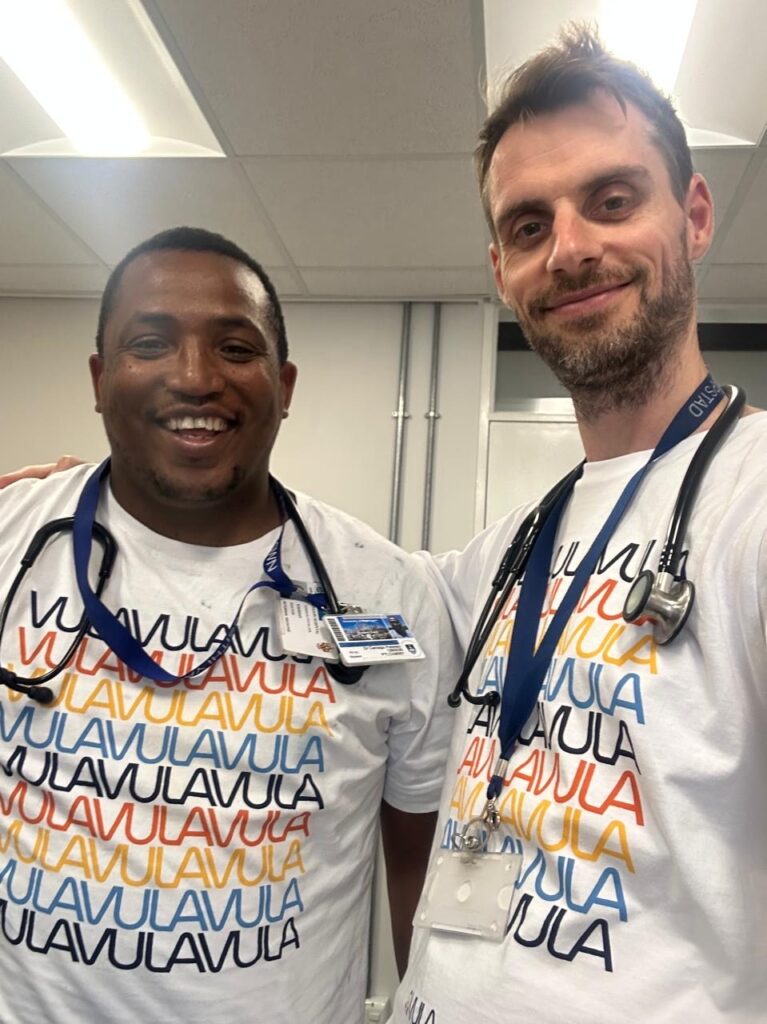
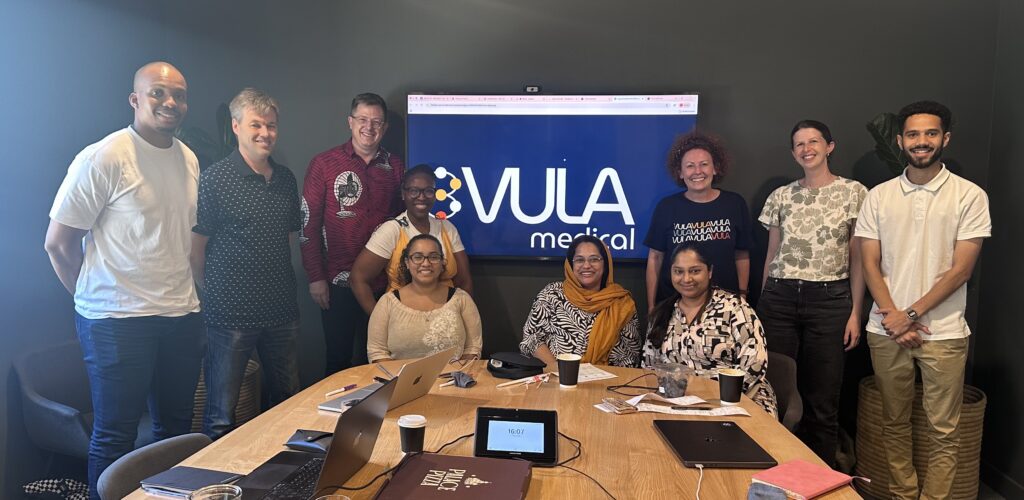
A patient arrived with an eye problem Mapham could not identify, so he referred him to a distant eye clinic. Seven years later, Mapham encountered the same patient again. He was carrying the same referral letter and was now blind in that eye.
The condition had been treatable. The hospital had even stocked the required medicine. What had been missing was access to specialist knowledge at the moment it was needed.
That problem eventually became Vula Medical.
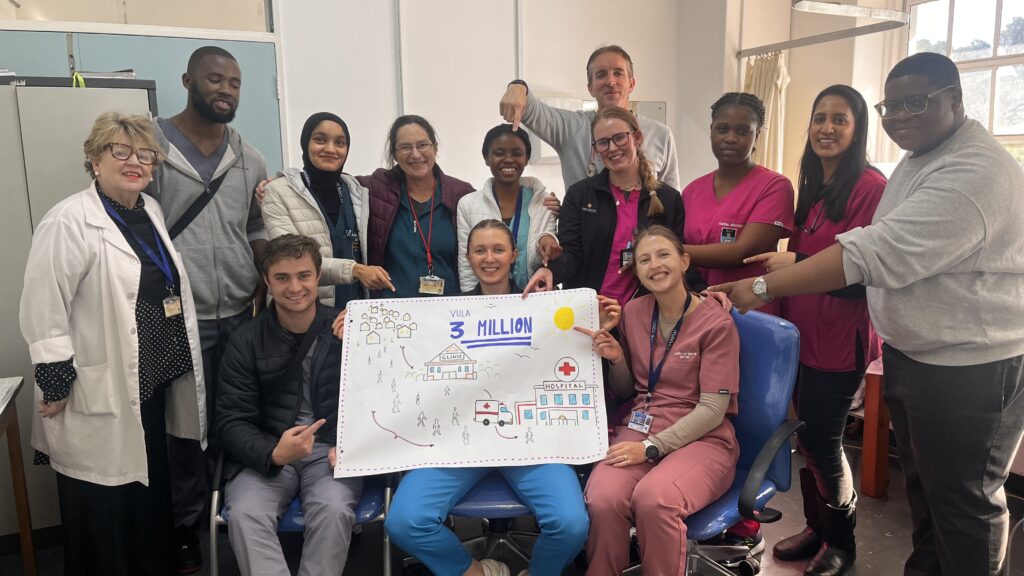
The platform connects registered health workers with specialists while they are treating patients. Today, tens of thousands of health professionals use Vula across thousands of facilities, and almost three million patients have been supported.
Vula doesn’t create more specialists. It makes scarce specialist knowledge travel.
The challenge of scaling a purpose-led business
Once a business has proved that its solution works, the challenge changes.
The founder must work out how to turn that impact into a repeatable and scalable business model.
For Vula, there are several groups receiving value.
- A frontline health worker uses the platform and gains access to specialist knowledge.
- A patient benefits from better-informed treatment and potentially avoids unnecessary travel or referrals.
- Specialist clinics can receive more appropriate cases.
- Healthcare funders and health departments may benefit from better use of scarce clinical resources and healthcare spending.
The important point is that the user, beneficiary and buyer are not necessarily the same person.
Separate the user, beneficiary and buyer
This leads to a simple business growth exercise.
Take a page and create three columns:
User: Who actually uses your product or service?
Beneficiary: Who experiences the positive outcome your solution creates?
Buyer: Who gains enough measurable value from that outcome to pay for it?
Then ask what each group values.
Your user may want simplicity and convenience. Your beneficiary may care about a better outcome. Your buyer may need evidence of increased revenue, reduced costs, lower risk or improved productivity.
Trying to sell all three groups the same proposition can make a good business difficult to understand and difficult to buy.
Instead, create a clear value proposition for each.

Purpose needs a commercial engine
Purpose and commercial thinking are not opposites.
A sustainable business model can give a purpose-led company the resources to employ more people, invest in its product, enter new markets and reach more customers.
The objective is not to compromise the purpose to make money.
It is to identify where the economic value created by the business sits, and build a commercial model that captures enough of that value to fund continued growth.
That is what turns impact into an asset rather than a burden carried indefinitely by the founder.
Build a business that can grow without you
If you want to scale your business, ask yourself three questions:
- Who uses what we sell?
- Who ultimately benefits from it?
- Who gains enough value to willingly and repeatedly pay for it?
If you cannot answer all three clearly, your next growth constraint may not be your product, marketing or sales.It may be your business model.
Separate purpose from payer, build a proposition for each stakeholder and create a repeatable way to deliver it.
Because the businesses that make the greatest impact are not simply those with an important purpose.
They are the ones that build a commercial engine capable of carrying that purpose further.
Vula Medical was featured in the Future 50 on ECR, Jacaranda and Smile FM , celebrating the businesses creating jobs, growth and hope.


