
How Wipe-it Turned a Commodity Product into a Growth Engine
Wipe-it is not a business most people think about.
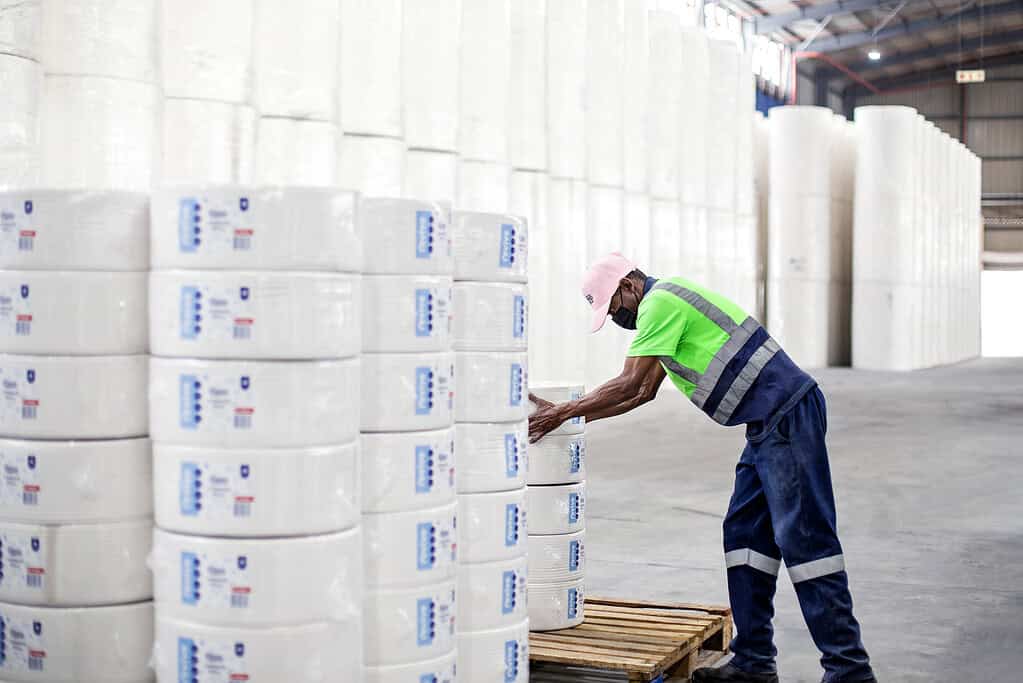
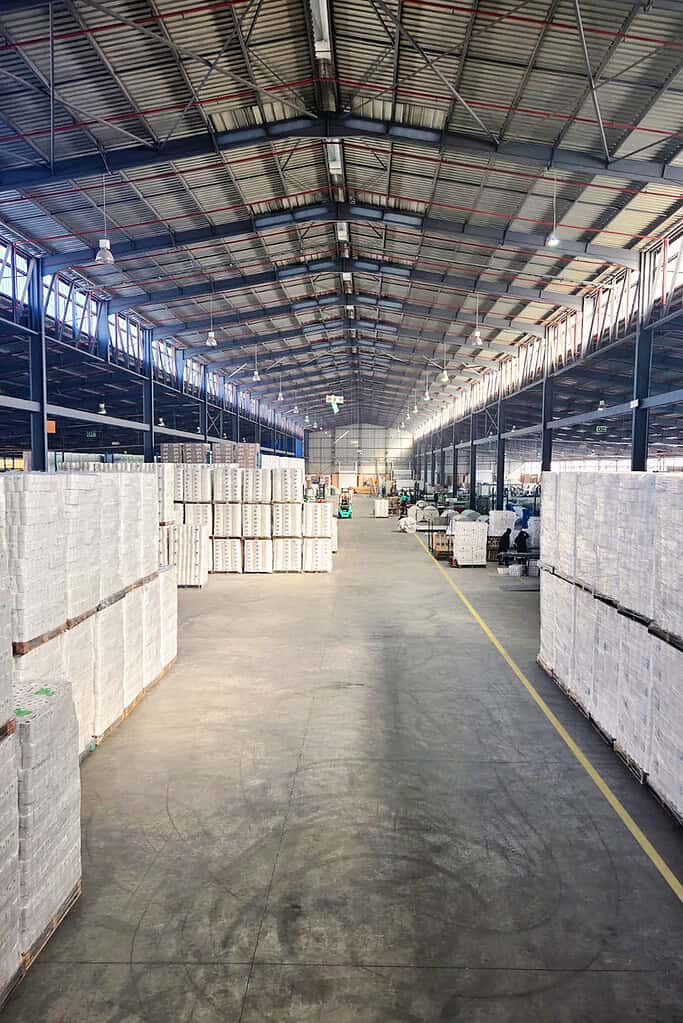
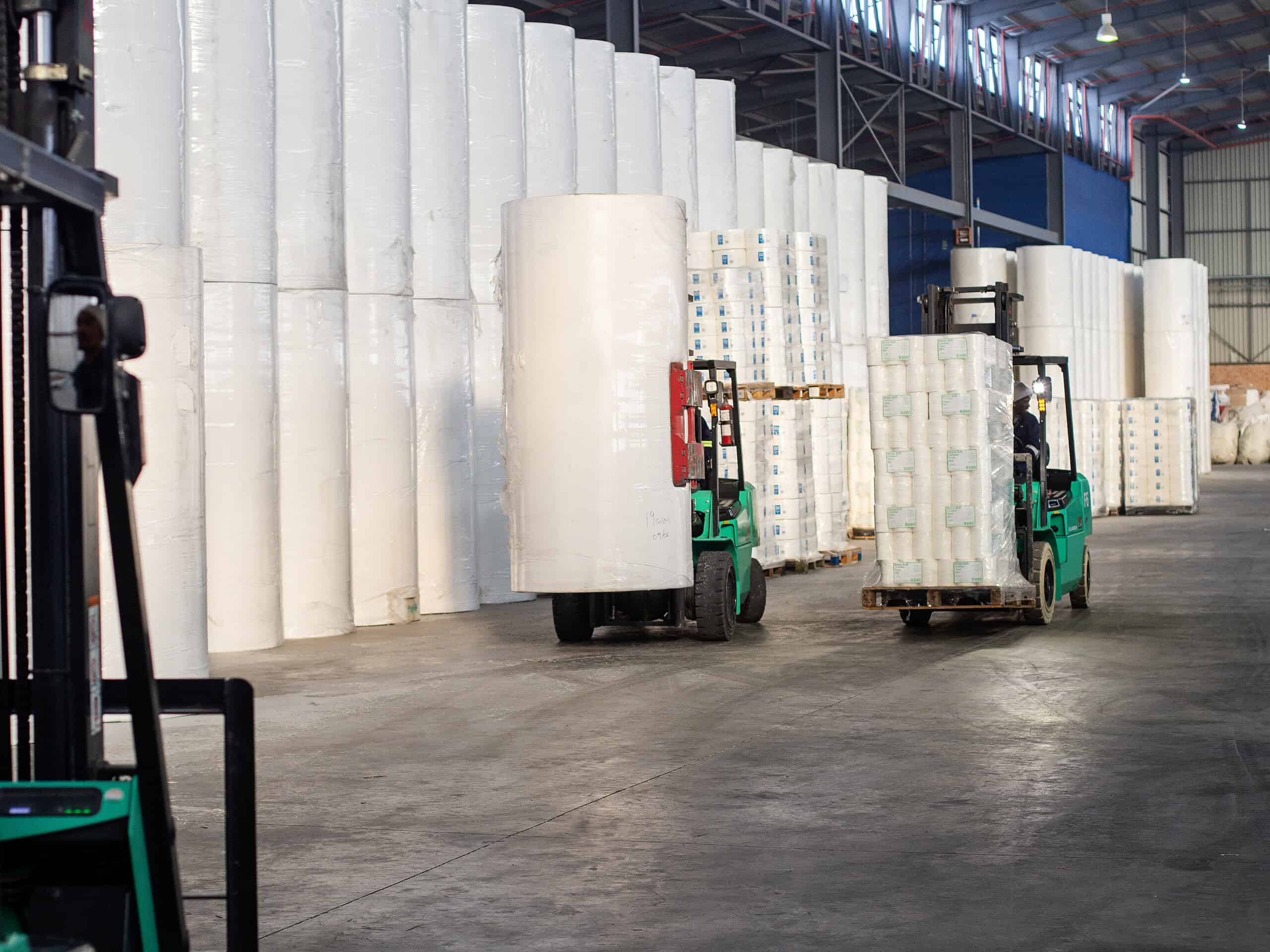
They manufacture tissue and hand paper products, the essentials that keep offices, hospitals, factories, and public spaces running.
It’s a classic commodity market. Products look the same. Price pressure is constant. Margins are tight.
And yet, Wipe-it is growing.
Led by Gerbrandt van Niekerk, the business faced a moment many established companies will recognise. They lost a major customer, and the pressure exposed how vulnerable the business had become.
This is where many businesses retreat into survival mode.



Wipe-it did the opposite.
They rebuilt the business around three fundamentals: service, speed, and relationships.
This is a critical shift. In commodity markets, advantage rarely comes from the product itself. It comes from how the business operates: How reliably it delivers, how easy it is to work with, and how well it understands customer needs.
At Aurik, this sits firmly in the System of Delivery, the engine that takes a customer from order to fulfilment and beyond.
When that system is engineered well, it creates differentiation that competitors struggle to replicate.
But the deeper lesson from Wipe-it is about complacency.
Gerbrandt puts it plainly: comfort is the gateway to strife.
Many established businesses don’t fail because of poor decisions. They stall because they stop evolving. The market moves, but the business does not.

From an Asset of Value™ perspective, a business that can scale, grow, and ultimately be transferred or sold.
Wipe-it’s next phase is clear:
- Expanding into new regions with deliberate sales capacity
- Systemising how top performers win so growth doesn’t rely on individuals
- Securing long-term customer relationships to stabilise revenue
These are not quick fixes. They are structural moves that build resilience, scale, and long-term value.
For business owners, the takeaway is simple:
If your business depends on a few key people, inconsistent sales, or reactive decisions, the risk is already there.
The opportunity is to redesign how the business works — deliberately.
Because in the end, value isn’t built in what you sell.
It’s built in how your business runs.
South Africa’s Future50 is about recognising businesses doing this work, quietly building stronger systems, stronger teams, and stronger futures. Listen to Pavlo Phitidis share the Wipe-it story on East Coast Radio, Smile 90.4FM or Jacaranda FM and nominate your business to be featured next


