
Why Business Growth Requires Courage, Not Certainty
The Growth Challenge
Many business owners wait for certainty before making important decisions.
The problem is that certainty rarely arrives.
Whether launching a new product, expanding into a new market or acquiring a business, growth often requires action before all the answers are available.

Elite Business: Stop waiting for easy: why the hard road builds better business owners
In this article, originally featured in Elite Business: Hardship in business is not always a warning sign. Sometimes it is the training ground that builds stronger owners and better businesses
Most business owners spend years hoping things will eventually become easier. Easier cash flow. Easier staffing. Easier growth. Easier decisions.
I understand why. Business ownership can be relentless. The pressure is constant, and there are moments where it feels like success should surely come with less struggle. But the hard road is often shaping the very capability the business will eventually need from you.
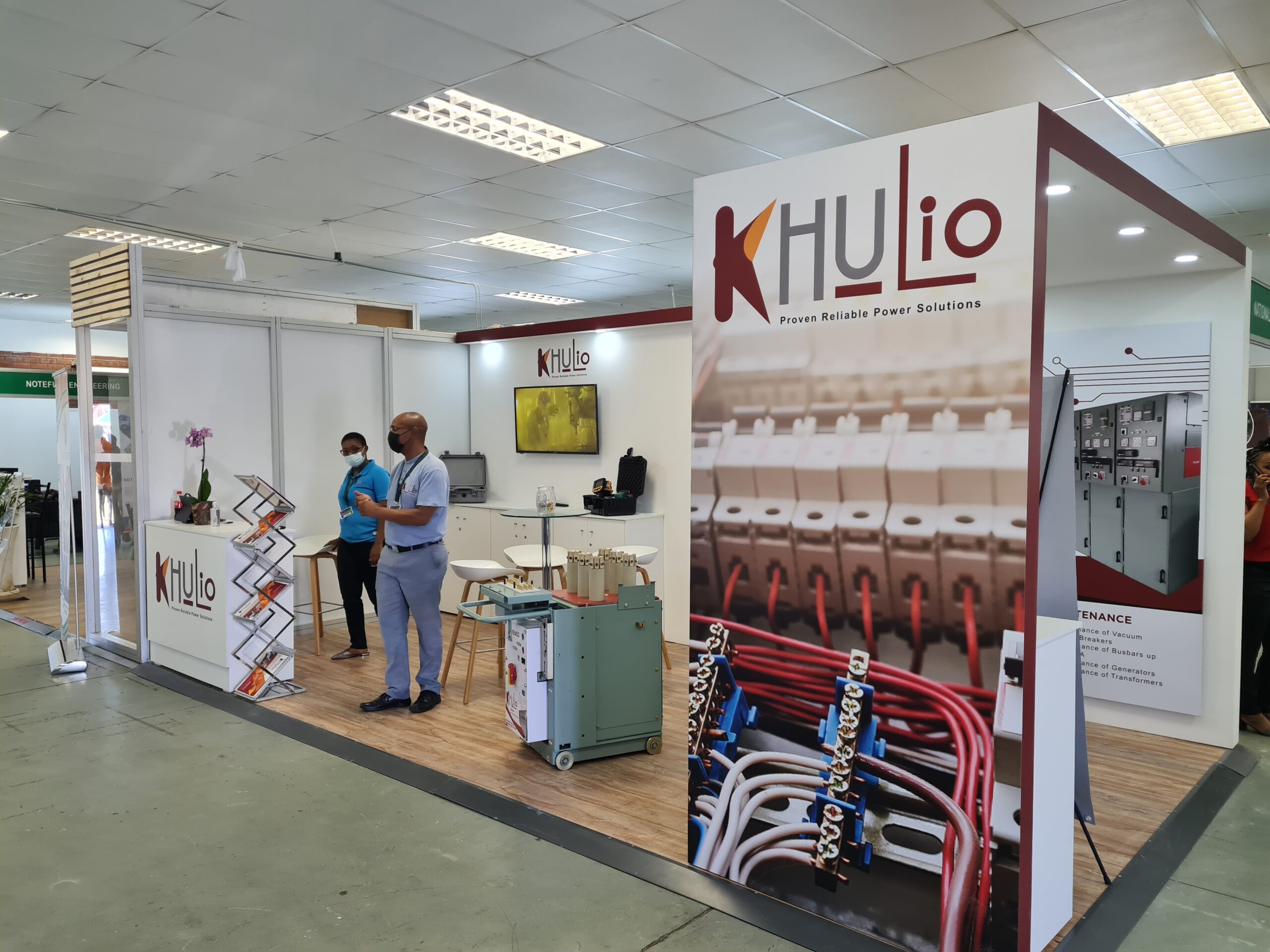
I was reminded of this recently while spending time with a manufacturing business operating in a practical, everyday sector. The kind of business most people barely notice until something goes wrong. Yet when it does, suddenly it becomes urgent and important.
The owner had not followed some perfectly planned entrepreneurial journey. There had been setbacks, responsibility arriving too early, difficult decisions and long periods of uncertainty. That is more common than most people admit.
Too often, we look at successful businesses and assume the owner had clarity from the beginning. Most did not. Most owners learn through pressure. They grow because the demands of the business force them to grow.
That is why many owners misunderstand hardship. Not every difficult season is a sign something is broken. Sometimes difficulty is the training ground.
Of course, poor systems, weak financial discipline and operational chaos should never be accepted as normal. Those issues need fixing. But even well-run businesses face pressure because growth itself creates pressure.
A bigger business demands a different version of the owner: more resilience, better judgement, greater emotional control.
You do not develop those qualities before growth happens. More often, the business forces them out of you as it grows.
I have seen owners carry payroll through brutal trading conditions, recover from losing major customers, and navigate personal hardship while trying to keep the business stable. None of it feels valuable while you are inside it.
But over time, if the owner learns from the pressure rather than simply fighting it, something changes. Decisions improve and systems strengthen, the owner becomes calmer and more capable under pressure. The business grows because the owner grows.
Think about physical training. Nobody builds strength by avoiding resistance. Strength comes through resistance. The pressure itself forces adaptation.
Business works much the same way.
That does not mean every hard season automatically produces growth. Some owners become reactive or exhausted by prolonged pressure. Difficulty can absolutely shrink a person if it is allowed to consume them.
But I have also seen many owners emerge stronger, more focused and better able to build proper structure into the business. And structure is what matters.
Enduring businesses are not built on hustle forever. They are built on systems, leadership, consistency and sound decision-making. Businesses capable of functioning and growing without exhausting the owner every single day.
So perhaps the question is not, “Why is this hard?” Perhaps the better question is, “What is this season trying to teach me?”
Because sometimes the struggle is not blocking growth, it is preparing you for it.
Elite Business: Stop waiting for easy: why the hard road builds better business owners
In this article, originally featured in Elite Business: Hardship in business is not always a warning sign. Sometimes it is the training ground that builds stronger owners and better businesses
Most business owners spend years hoping things will eventually become easier. Easier cash flow. Easier staffing. Easier growth. Easier decisions.
I understand why. Business ownership can be relentless. The pressure is constant, and there are moments where it feels like success should surely come with less struggle. But the hard road is often shaping the very capability the business will eventually need from you.
I was reminded of this recently while spending time with a manufacturing business operating in a practical, everyday sector. The kind of business most people barely notice until something goes wrong. Yet when it does, suddenly it becomes urgent and important.
The owner had not followed some perfectly planned entrepreneurial journey. There had been setbacks, responsibility arriving too early, difficult decisions and long periods of uncertainty. That is more common than most people admit.
Too often, we look at successful businesses and assume the owner had clarity from the beginning. Most did not. Most owners learn through pressure. They grow because the demands of the business force them to grow.
That is why many owners misunderstand hardship. Not every difficult season is a sign something is broken. Sometimes difficulty is the training ground.
Of course, poor systems, weak financial discipline and operational chaos should never be accepted as normal. Those issues need fixing. But even well-run businesses face pressure because growth itself creates pressure.
A bigger business demands a different version of the owner: more resilience, better judgement, greater emotional control.
You do not develop those qualities before growth happens. More often, the business forces them out of you as it grows.
I have seen owners carry payroll through brutal trading conditions, recover from losing major customers, and navigate personal hardship while trying to keep the business stable. None of it feels valuable while you are inside it.
But over time, if the owner learns from the pressure rather than simply fighting it, something changes. Decisions improve and systems strengthen, the owner becomes calmer and more capable under pressure. The business grows because the owner grows.
Think about physical training. Nobody builds strength by avoiding resistance. Strength comes through resistance. The pressure itself forces adaptation.
Business works much the same way.
That does not mean every hard season automatically produces growth. Some owners become reactive or exhausted by prolonged pressure. Difficulty can absolutely shrink a person if it is allowed to consume them.
But I have also seen many owners emerge stronger, more focused and better able to build proper structure into the business. And structure is what matters.
Enduring businesses are not built on hustle forever. They are built on systems, leadership, consistency and sound decision-making. Businesses capable of functioning and growing without exhausting the owner every single day.
So perhaps the question is not, “Why is this hard?” Perhaps the better question is, “What is this season trying to teach me?”
Because sometimes the struggle is not blocking growth, it is preparing you for it.



How to Productise Your Expertise and Scale Your Business
The Growth Challenge for Many Business Owners
Many business owners build successful companies because they are experts at solving problems. The challenge comes when every solution depends on the founder’s direct involvement.
When expertise remains trapped inside the owner’s head, growth becomes difficult to sustain. The businesses that scale successfully find ways to turn expertise into systems, products and recurring revenue streams.
