Blomo Plastics: From Ride-On Toys to Export-Ready Packaging

Many South Africans will recognise the sound of a plastic ride-on scooter rattling down a driveway.

For years, those memories were created by Blomo Plastics, a family-run manufacturer based in Springs, Gauteng.

Founded by Fritz Strydom Senior, Blomo is the kind of business built through determination and practical engineering. In the early days Fritz worked his day job while building his own blow-moulding machine at night. To finance the business, he even sold his house.

That commitment paid off.

Over the years, Blomo Plastics manufactured close to two million of South Africa’s iconic black ride-on toys.

But like many established businesses, success brought its own challenges.

Continue reading

soul souvlaki

From Street Food Inspiration to a Growing Brand: The Soul Souvlaki Story

From Street Food Inspiration to a Growing Brand: The Soul Souvlaki Story

Across South Africa, many of the most interesting businesses start with a simple observation: customers want an experience that feels good, reliable and worth coming back for.

That insight sits at the heart of Soul Souvlaki, a modern casual Greek dining brand founded by Dino Vlachos.

The story begins with a setback.

A previous business venture had gone wrong, leaving Dino under pressure and back at square one. To reset, he travelled to Greece with his partner to regain perspective.

Continue reading

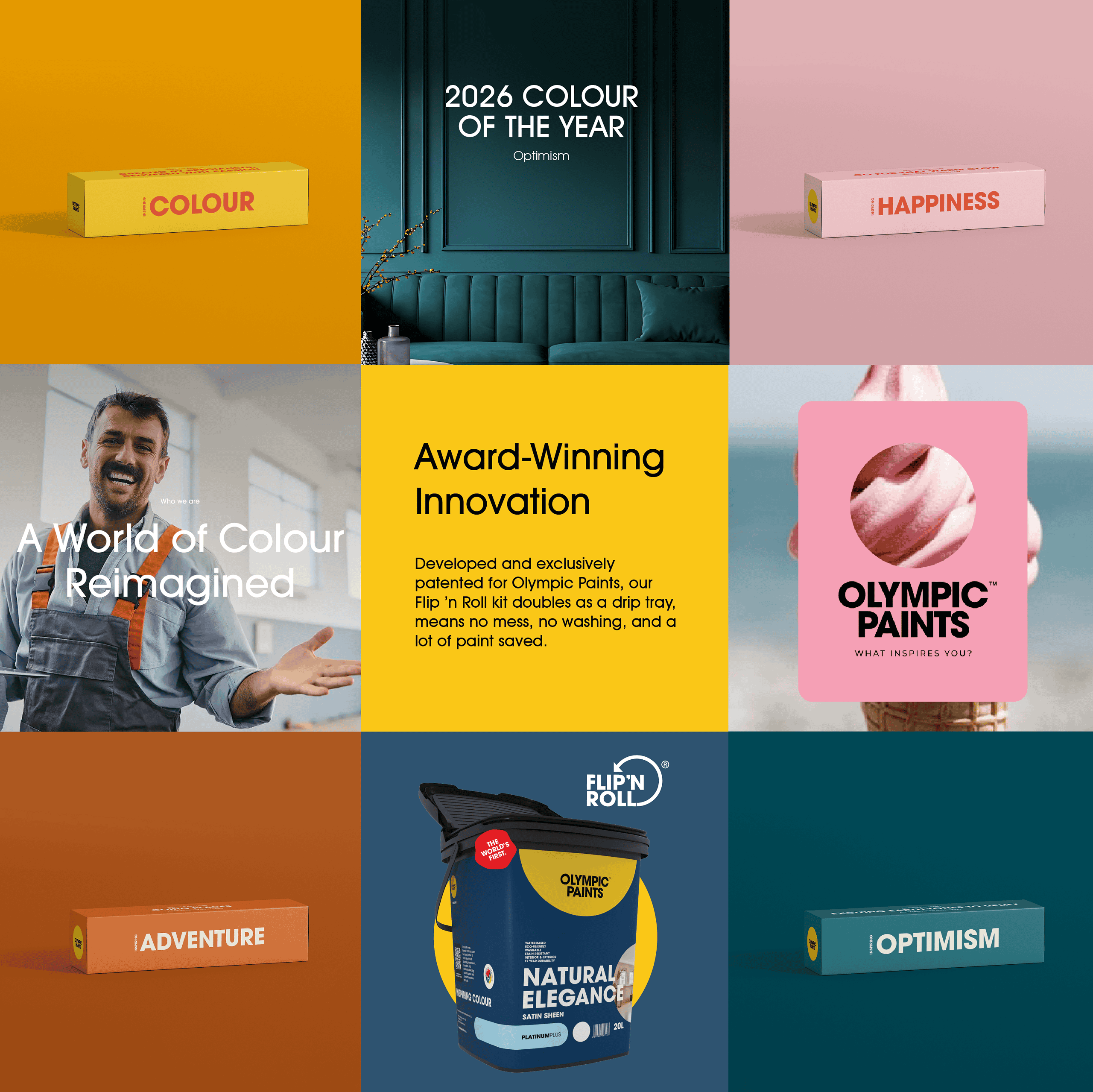
Olympic Paints on Future50: How Second-Generation Leadership Builds Sustainable Growth

Olympic Paints was profiled on the Future50 Smile 90.4FM, Jacaranda FM and East Coast Radio, as a multi-decade South African manufacturer building its next phase of growth.

Founded in 1981 by Niran Purbhoo, Olympic Paints grew steadily through hands-on manufacturing, disciplined customer service and long-term relationships. Over four decades, it developed into a fully operational factory with real production capability and a committed team.

Now the business is entering a new chapter under second-generation leader, Sejal Purbhoo.

Continue reading

From Firefighting to Recurring Revenue: What Established Business Owners Can Learn from Flawless IT

On this Future 50 radio feature with Pavlo Phitidis, aired on East Coast Radio, Smile 90.4FM and Jacaranda FM, we heard how Flawless IT Solutions evolved from selling hardware into becoming a long-term IT partner for renewable energy sites, farms and commercial operations that cannot afford downtime.

The lesson isn’t about cables or servers.

It’s about structure.

Continue reading

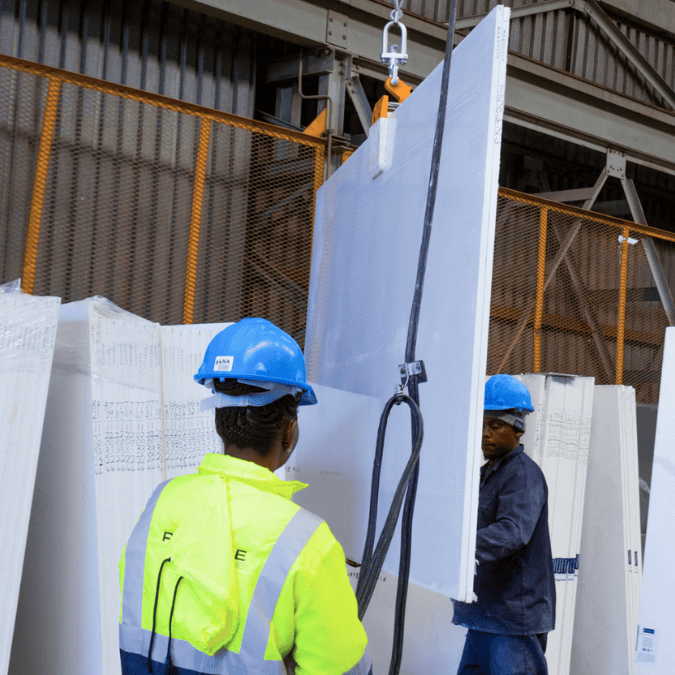
Pinnacle Stone: Guard the Downside. Open the Upside. Building a Business That Delivers on Time, Every Time

If you’ve ever been involved in a renovation or construction project, you’ll know this: when critical materials arrive late, everything stops.

Installers wait. Deadlines slip. Cash flow tightens. Reputations take strain.

For the businesses supplying these materials, this is not just a logistics issue. It’s a structural one.

Continue reading

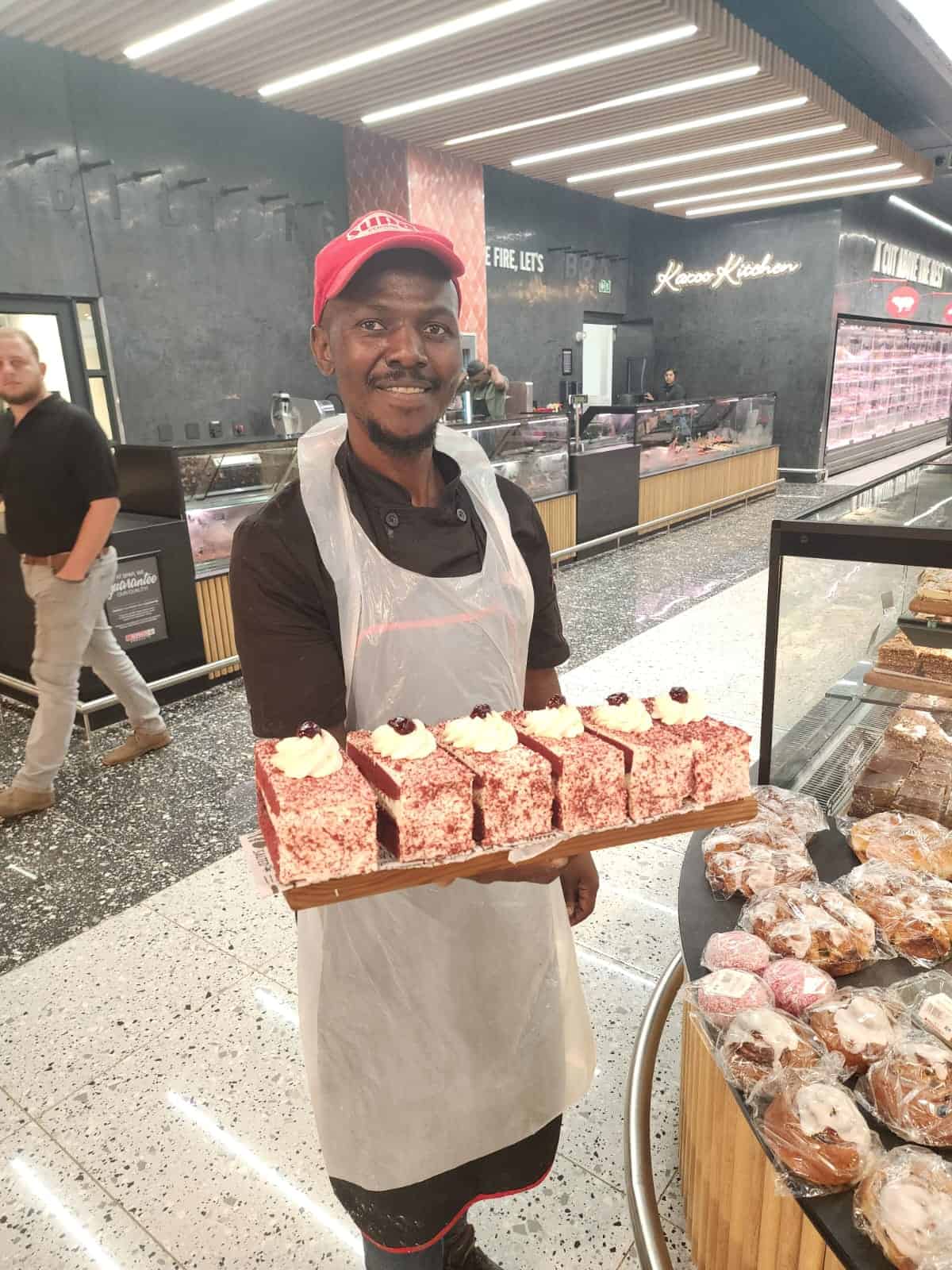
Supafoods: Shifting from a supplier to a solution

Based in Umgeni Business Park in Durban, Supafoods has established itself as a trusted manufacturer and supplier within South Africa’s bakery and food supply sector. What began as a modest operation has grown into a fully equipped food manufacturing facility, supplying bakery ingredients to retail groups, independent bakeries and community-based organisations across the country.

Continue reading

Why growth feels risky for so many good businesses

Elite Business: Why growth feels risky for so many good businesses

In this article, originally featured in Elite Business: Growth exposes structural weaknesses in good businesses long before it delivers the rewards owners expect


For many established business owners, growth is supposed to feel like progress. More customers. Bigger contracts. Wider reach. Yet time and again, I see owners hesitate at precisely the moment their business should be scaling.

Not because they lack ambition.
But because growth feels risky.

I recently sat with an owner of a well-established manufacturing business supplying large retailers. This wasn’t a start-up chasing its first break. It was a second-generation company with years of hard-earned credibility, strong demand and trusted relationships. A national opportunity was on the table, the kind most founders dream of.

And yet, the dominant emotion wasn’t excitement. It was unease.

That feeling is far more rational than many people realise. Businesses rarely stall because they can’t sell. They stall because they can’t deliver consistently once complexity increases.

In this case, the product was used in-store by retail staff across hundreds of locations. Quality depended on how well individuals handled, prepared and applied it. When everything went right, the outcome was excellent. When it didn’t, the brand paid the price, often without knowing where things had gone wrong.

That’s not a people problem. It’s a structural one.

When consistency relies on people “just knowing” what to do, growth becomes fragile. Owners sense this instinctively. They worry about reputation risk, loss of control and the creeping reality that success might actually increase stress rather than reduce it.

The most common mistake at this point is to look for answers in the wrong places. Owners talk about more capacity, more factories, more trucks or more effort. They push harder, believing growth is a matter of energy and ambition.

But scale doesn’t fail because of ambition. It fails because systems don’t keep up.

The turning point in this business came when the question changed. Instead of asking how to supply nationally, the owner asked how to remove variability from the system altogether. The answer was not complicated, but it was powerful: a clear system of delivery.

They began building a simple online training platform for store staff. Short, practical videos showed exactly how the product should be handled, prepared and stored. One standard. One way of doing things. Staff completed the training, passed a basic assessment and were accredited.

Nothing flashy. Just clarity and repeatability.

That shift transformed the business. Quality no longer depended on constant supervision or experience living in people’s heads. The retailer’s operational burden reduced. The supplier moved from being a commodity to a strategic partner. And critically, the owner was no longer the glue holding everything together.

I often say that structure determines behaviour, and behaviour determines outcomes. If a business depends on the owner checking everything and fixing problems after the fact, growth will always feel dangerous. Systems are what make scale sustainable.

There’s an uncomfortable truth beneath many growth conversations. If landing one big contract would dramatically change your life, your business isn’t quite ready yet. That doesn’t mean you’re in trouble, it means your structure hasn’t caught up with your ambition.

Growth isn’t about pushing harder. It’s about building better architecture. When the structure is right, growth stops feeling like a threat and starts becoming the reward business owners worked so hard for in the first place.

By Pavlo Phitidis

The Future 50: Backing the businesses that build a nation

Get your business story heard by up to 4.5million listeners across three radio stations, and get their audiences to support your next level growth


The Future 50 with Pavlo Phitidis, powered by FNB Business highlights the critical importance of established businesses to the country’s growth and prosperity. This weekly radio feature shares the story of a business that is doing great things across three radio stations: ECR, Jacaranda FM and Smile 90.4 FM. The total listenership across all three is 4.5million! Among these could be a business’s next supplier, customer, partner, funder or a key contact or introduction to accelerate their expansion. Pavlo not only shares the story of the business, and why they matter to the economy and country, he also calls on the audience to support their growth.

If you are an established company that has a great story to tell, and could benefit from this radio exposure, nominate yourself below. And tune in to listen to the inspiring stories of the Future 50 business on Tuesday mornings between 8am and 8.30am.

Elite Business: Strategic resilience in a tariff-impacted world: A practical blueprint for UK exporters

Elite Business: Strategic resilience in a tariff-impacted world: A practical blueprint for UK exporters

In this article, originally featured in Elite Business: Rising U.S. tariffs are set to disrupt global supply chains, tighten margins, and push inflation and interest rates higher


Rising U.S. tariffs are set to disrupt global supply chains, tighten margins, and push inflation and interest rates higher. For exporters, this means higher costs and unpredictable market conditions.

The key to thriving in this environment is resilience—guarding against risks while seizing new opportunities.
A brand exporting manufactured products must act decisively to keep operations agile, cost-efficient, and market responsive. Here’s a practical blueprint to navigate these challenges effectively.

Reinforcing the foundation

Why it works

Relying on a single source is vulnerable. Spreading orders across multiple suppliers reduces risks from tariff hikes and supply disruptions and allows for negotiation with existing suppliers.

Example: A hair extension distributor once sourced Remy hair exclusively from Italy. When an earthquake disrupted supply, the company turned to an alternative provider in Brazil. This move secured supply and introduced a lower-cost fighter brand, making their offering more competitive and resilient.

Localize production or assembly

Action: Shift parts of the production process to the U.S. or regions with favourable trade agreements.

Why it works: Partial localisation can bypass tariffs, reduce lead times, and improve market responsiveness.

Example: A U.S. engineering firm expanding across Africa partnered with a local geospatial intelligence supplier. This move provided on-the-ground insights, strengthened relationships with regional governments, and led to a preferred status on new projects.

Optimize inventory and production processes

Action: Build a safety stock of key materials and apply lean manufacturing principles.

Why it works: Holding essential inventory shields against supply disruptions, lean processes reduce waste and lower costs, making operations more resilient. Tariff-induced inflation also makes holding stock a strategic store of value.

Example: A biker clothing brand struggled with denim shortages in China. When a factory’s large order was cancelled, the company capitalised on the opportunity, securing bulk denim at a favourable price. This stabilised supply and provided a higher return than cash in the bank.

Adjust pricing strategies and product configurations

Action: Develop flexible pricing models and redesign products to minimise tariff-sensitive components.

Why it works: Passing every cost increase to customers is unsustainable. Innovative pricing and product adjustments help maintain a competitive edge while protecting margins.

Example: A company splits its value proposition between a physical product and essential services. While the product attracted tariffs, the services did not.

Build strong, local partnerships

Action: Establish relationships with U.S.-based distributors and retailers.

Why it works: Local partners provide market access, logistical support, and insights, accelerating market penetration while mitigating tariff impact.

Example: When Brexit hit, many exporters partnered with Dutch distributors to share warehouse space and logistics resources. This strategy minimised tariff exposure and expanded their European presence and relevance.

Embrace continuous innovation

Action: Invest in R&D to improve products and explore new materials.

Why it works: Innovation ensures competitiveness even as cost pressures rise.

Example: A German company invested in a green steel plant in Namibia, gaining access to carbon credits and eco-friendly credentials. This move strengthened its market position in Northern Europe, where sustainable products command a premium.

Expand market reach

Action: Reduce dependence on the U.S. by targeting alternative international markets.

Why it works: Diversifying across multiple regions spreads risk and uncovers new growth opportunities.

Example: Nando’s, initially a South African brand, expanded globally by franchising to South African expatriates. Similarly, rising UK emigration has opened new markets in the UAE, Singapore, and the U.S., where British nationals are investing and relocating.

Strengthen brand positioning through authentic storytelling

Action: Enhance marketing by showcasing your brand’s heritage, quality, and innovation.

Why it works: A strong brand narrative builds customer loyalty and justifies premium pricing, even when costs rise.

Example: British heritage brands like Brompton Bicycles and Denby Pottery emphasise their craftsmanship and local production advantages, creating deep emotional connections with consumers.

The path forward

This is not a theoretical exercise—it’s a practical roadmap for exporters facing a tariff-driven landscape. Companies can strengthen their defensive position by diversifying supply chains, localising operations, and optimizing production. Meanwhile, forging strong partnerships, continuously innovating, and expanding into new markets create opportunities for sustained growth.

The key to long-term success is adaptability. Implement these steps, stay alert to market shifts, and refine your approach as conditions evolve. A well-executed strategy ensures your brand thrives in an ever-changing global economy.

By Pavlo Phitidis